Homeschool 101: Start here before you buy curriculum
Key Takeaway
Homeschooling means the parent or guardian takes primary responsibility for the child's education, even when the family uses tutors, online classes, co-ops, hybrid programs, or community support. A strong first step is to check state requirements, learn the main learning models, choose a simple rhythm, and build support before buying a full curriculum.
Homeschool 101
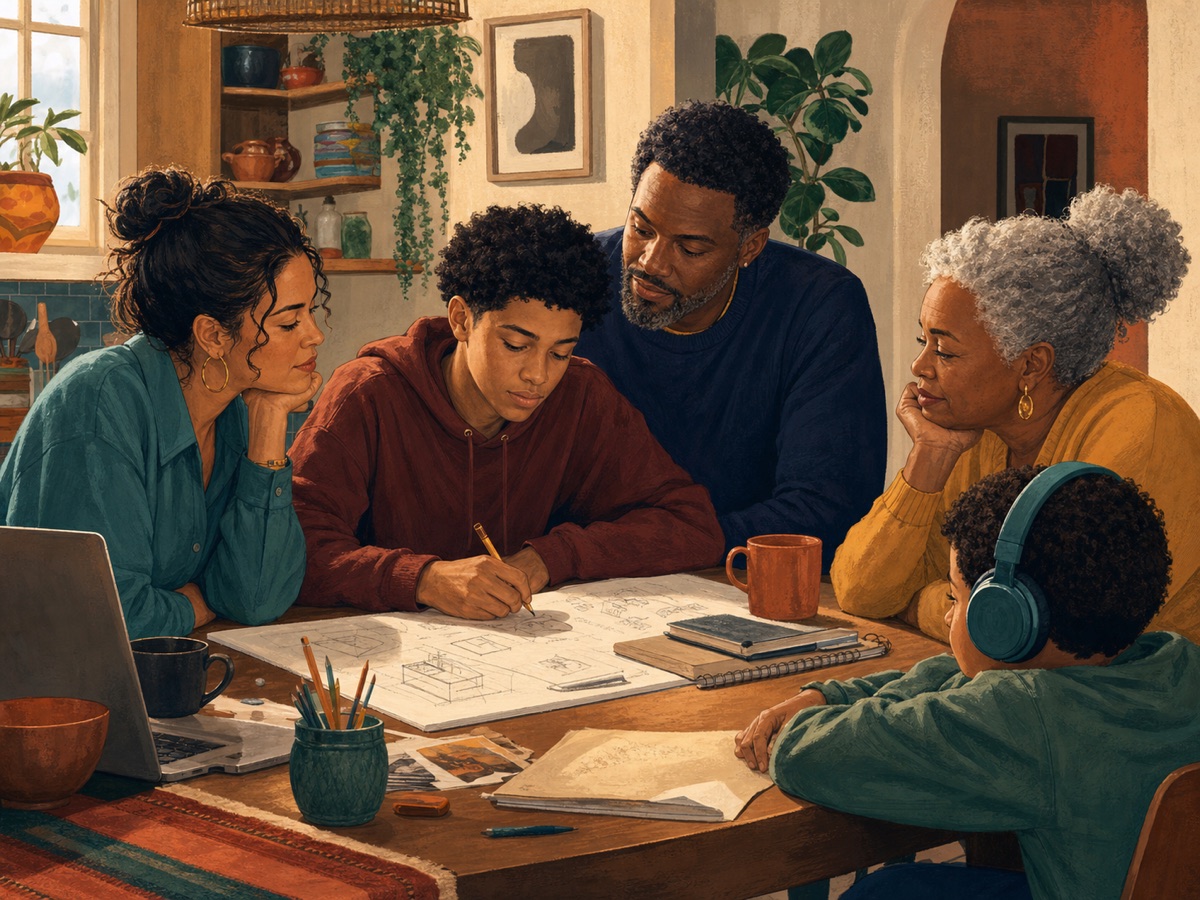
Start with the table you already have.
Map the law, the child, the rhythm, and the support system before buying a full curriculum.
Homeschool 101 map
Start with the cards, then open what you need.
This page is organized like a decision board. Tap a card for the plain-English explanation, then use the FAQ when you need a direct answer.
Start here
The core decisions
How to choose
Pick the approach by fit, not by hype
The best homeschooling approach is the one your child can learn from and your family can actually sustain. Start with four questions: how much structure does the child need, how much parent time is available, what outside support can you afford or access, and what does your state require?
If your child feels anxious without clear expectations, begin with a structured or school-at-home rhythm and soften it over time. If your child is curious but burned out, start with deschooling, projects, reading, and low-pressure routines. If your family needs community or shared teaching, compare co-ops, hybrid programs, pods, and microschools before trying to do everything alone.
Quick comparison
Fast filters for beginners
Most structured
School-at-home and classical education
Most flexible
Eclectic, Unschooling, and Charlotte Mason
Most hands-on
Montessori, Waldorf-inspired, learning pods, and project-based hybrid programs
Best for a school transition
Deschooling followed by eclectic homeschooling or school-at-home
Best when parents need part-time structure
Hybrid homeschooling
Best when families want parent-led community
co-ops
Best when families want a small shared schedule
Learning pods
Best when families want a small structured environment
microschools
Best for families still unsure
Eclectic homeschooling with a simple first-month rhythm
Guide FAQ
Questions parents ask first
Resource footnotes
- National Center for Education Statistics: Homeschooling. official source. Accessed 2026-06-24. Source
- U.S. Department of Education: State education agencies. official source. Accessed 2026-06-24. Source
- Coalition for Responsible Home Education: Current policy. policy source. Accessed 2026-06-24. Source
- National Microschooling Center. reference source. Accessed 2026-06-24. Source