

Hybrid Homeschooling Is Not a Fringe Choice Anymore
Current 2026 reporting shows homeschool growth staying above pre-pandemic levels while schools launch more hybrid options for families who want flexibility without full separation.
By Remix Academics Research
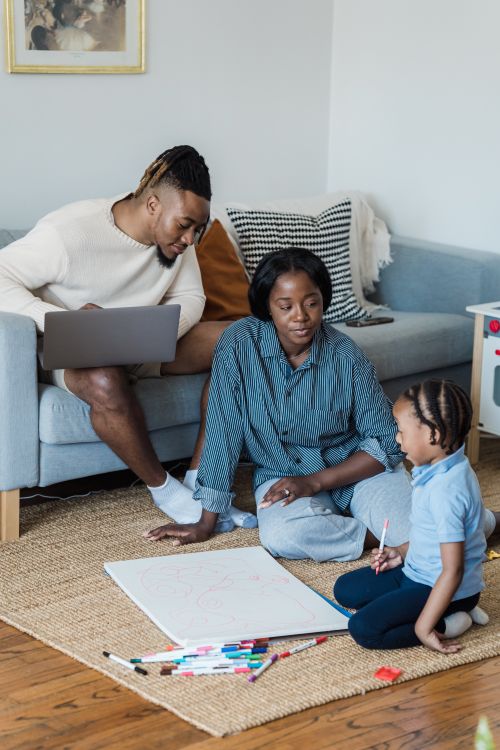
The most useful thing families can do with the hybrid schooling conversation is stop treating it like a compromise for people who could not commit.
In 2026, hybrid is increasingly the design. Families want flexibility, community, and customization without having to accept the old binary of “all school” or “all homeschool.” The market is finally starting to notice what parents have been building on their own.
What the current data suggests
Homeschooling remains well above pre-pandemic levels, and some states are still posting record numbers. At the same time, schools and microschools are creating part-time pathways that look a lot like the family-designed remixes people used to piece together informally.
This is important because it means parents are gaining leverage. When demand stays real, institutions adapt.
Why families are choosing hybrid
The reasons are practical, not ideological.
Some families want more time together. Some need travel flexibility. Some want a smaller academic footprint from school so they can handle history, culture, faith, or project-based work at home. Some children do better with part-time peer contact and part-time recovery space. Some working families need a model they can actually sustain.
Hybrid works when the family knows what each setting is for. School handles what it handles best. Home handles what school will not or cannot do well for this child.
The trap to avoid
Do not build a hybrid schedule that duplicates school twice. That is the fastest route to burnout.
If a child gets math instruction in one setting, ask what home should add that actually matters. Discussion. Writing. Cultural context. Executive function support. Slower pacing. Applied projects. Those are additions. Repeating the same worksheet in two places is not.
What to decide before you choose a model
Before you join a hybrid program, answer three questions:
- what do I want school to keep doing for my child
- what do I want home to repair, deepen, or customize
- what rhythm can my family actually maintain for six months, not six days
If you can answer those clearly, you are no longer browsing. You are designing.
Where to go next on Remix Academics
Start with What exactly is hybrid homeschooling, and is it right for my family?.
Then read Can I afford to homeschool if both parents work full-time? and Can a single parent actually homeschool?.
If you are trying to build a flexible learning setup for a child who needs a gentler rhythm, pair this with ND Families and The Crate.
Hybrid is not halfway. Done well, it is intentional.
Related Remix Guides
Homeschool Pods and Microschools for Diverse Families
A guide to homeschool pods, microschools, co-ops, and small learning communities for diverse families considering flexible education models.
Hybrid Homeschool Programs: How to Compare Options
Compare hybrid homeschool programs by schedule, instruction, records, cost, community, student support, and parent responsibility.
AI Tools for Homeschool and Hybrid Learning Families
A practical guide to using AI tools in homeschool and hybrid learning with parent oversight, privacy awareness, bias checks, and human support.
Turn the signal into action
Discuss This With the SEAT Squad.
The Remix Report tracks the shift. SEAT Squad is where families, teachers, and tutors turn it into questions, referrals, support, and better learning decisions.
Related Articles
Black-owned edtech is having a moment
Black-led platforms centering culturally responsive curriculum move from supplemental to core in family learning stacks.
trendThe AI Is Already In the Building. The Question Is Whose Building?
Schools are racing to add AI to their classrooms. Families who take the wheel first won't be waiting for that race to end.
trendThe study nobody covered: isolation is the variable, not the method
UW research finds homeschool outcomes depend on community interaction, not the educational method itself.